The Complete Guide to Aesthetics Waste Compliance in the UK
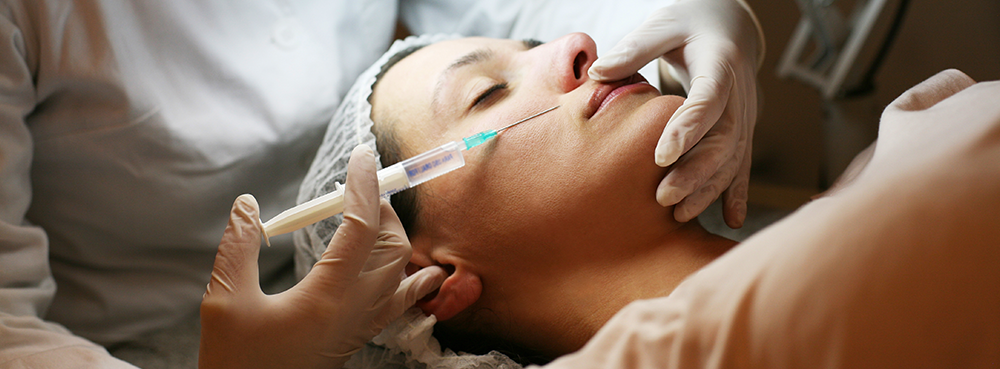
How good are you at juggling? Running an aesthetic clinic or med spa in the UK means juggling artistry, hygiene, safety and regulations – often in tight spaces with short schedules.
Every needle and syringe from Botox, dermal fillers, vitamin injections and acupuncture carries a legal and ethical responsibility for safe and compliant disposal. As regulations get stricter across the healthcare and aesthetics sector, understanding aesthetic waste compliance is essential.
This guide gives owners, managers and clinicians a clear, practical view of what aesthetic waste is, how it’s regulated, and how your clinic can stay compliant whilst protecting your team, clients, and reputation.
TOPICS WE WILL COVER:
2 / Types of Aesthetics Waste (with Examples)
3 / UK Laws and Regulations for Aesthetic Clinics
4 / What Are the New Aesthetic Clinic Regulations?
5 / Common Compliance Mistakes and Prevention Tips
7 / Achieve Effortless Waste Compliance with Sharpsmart
Already familiar with all this and looking for a reliable waste partner that won’t disrupt the customer experience? Get in touch today!
What Is Aesthetics Waste?
Aesthetic waste refers to any waste generated during aesthetic or cosmetic procedures that may be hazardous, infectious, or pharmaceutical in nature – non-surgical procedures such as injectables, fillers, microneedling, peels and laser work.
Although aesthetic medicine operates outside the NHS, clinics are still bound by the same waste legislation as other healthcare providers, having to classify each waste stream and ensure correct segregation and storage before collection.
Types of Aesthetics Waste (with Examples)
As well as your general waste and any recycling waste streams, there are several clinical waste streams present in aesthetic clinics. They include:
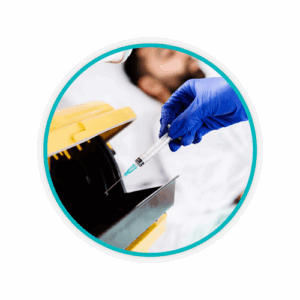 Sharps Waste
Any device or object used to puncture or lacerate the skin.
Dermal fillers, microneedling, and acupuncture all share a common theme: like many aesthetic and cosmetic treatments, they involve the use of sharp tools that come into contact with the skin, blood, and bodily fluids.
Examples: Needles and syringes, single-use metal items, broken vials, scalpels and blades.
Disposal: Sharps waste must be disposed of in a dedicated, rigid sharps container.
- For medicinally contaminated sharps, use the yellow-lidded containers.
- For non-medicinally contaminated sharps, use the orange-lidded containers.
 Offensive Waste
Recognisable, non-hazardous, non-infectious waste that may contain bodily fluids and have an unpleasant odour or appearance.
In aesthetic clinic environments, this waste type usually comes from routine treatments and will most likely be your main waste stream for treatment-related waste.
Examples: Used couch roll, gloves, tissues, dressings, waxing strips, wipes, and PPE that haven’t been contaminated with pharmaceutical or chemical substances.
Disposal: Offensive waste should be placed in tiger-striped (yellow and black) bags.
 Pharmaceutical Waste
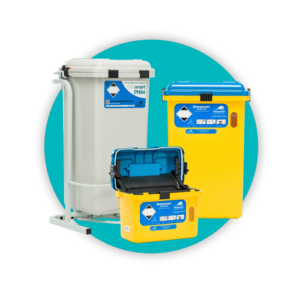
Any unwanted, contaminated or expired medications or pharmaceutical products that aren’t cytotoxic or cytostatic.
Within the aesthetic clinic environment, pharmaceuticals are often encountered in the form of expired injectables, topical creams, or saline vials.
Examples: Out-of-date lidocaine, hyaluronidase, topical anaesthetics, saline ampoules, and empty medicine vials that have not contained cytotoxic/cytostatic drugs.
Disposal: Pharmaceutical waste should be disposed of in blue-lidded containers.
 Infectious Waste
Contaminated waste materials that have the potential to transmit infections to humans or animals.
The general public is always assumed to be non-infectious. This means you should use offensive (tiger stripe) waste bags as standard and keep orange bags on-site for occasional use – such as when a customer informs you that they’re infectious.
Examples: Items contaminated with blood or bodily fluids from patients suspected or known to be infectious – used gauze, swabs, gloves or dressings.
Disposal: Infectious waste should be disposed of in the orange bag waste stream.
The correct segregation and disposal of each waste stream are about more than hygiene – they directly affect your legal compliance, waste costs, and carbon footprint.
For help with healthcare waste colour-coding, see our blog: Which Waste Goes Into which Bin?
Is Botox (botulinum toxin) Classified as Cytotoxic Waste?
The short answer is no. But why do so many people think it is? It’s to do with the concentration of botulinum toxins, which, once they reach a certain level, are classed as cytotoxic; however, no aesthetic clinic will use a concentration that reaches or exceeds the hazardous threshold which is greater than 3%
So, what is the correct way to dispose of Botox? Botox and contaminated vials, needles, etc., should be disposed of in the yellow-lidded sharps bins for medicinally contaminated sharps waste.
If you need further clarification or information, please see the Environment Agency’s Technical Guidance Document WM3: Guidance on the Classification and Assessment of Waste.
 As a refresher:
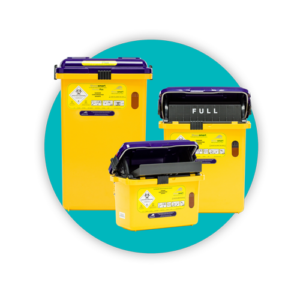
Drugs containing one or more hazardous properties including acute toxicity, carcinogenic, toxic for reproduction, or mutagenic.
Disposal: All cytotoxic/cytostatic waste must be placed in rigid purple-lidded sharps containers for high-temperature incineration.
UK Laws and Regulations for Aesthetic Clinics
In the UK, aesthetic waste management is governed by several interconnected laws and standards. Let’s look at a brief overview of some of the main ones you’ll come across.
 The Health Technical Memorandum (HTM) 07-01
The HTM 07-01 is the bible of safe and sustainable healthcare waste management. It outlines how clinical waste – including that generated from aesthetic treatments – must be classified, segregated, stored, transported, and disposed of.
Following this guidance means:
- Segregating waste by stream.
- Labelling and colour-coding correctly.
- Using approved waste containers.
- Keeping detailed records and documentation.
Why it matters: The HTM 07-01 is your guide for protecting people, the environment, and your reputation. Following this guidance ensures every waste stream is handled safely and sustainably, minimising infection risks, reducing disposal costs, and demonstrating that safety, compliance and environmental care can coexist within the professional aesthetic setting.
The Health and Safety (Sharp Instruments in Healthcare) Regulations 2013
These regulations make it a legal requirement for employers to:
- Avoid the unnecessary use of sharps where possible.
- Use safety-engineered devices to minimise injury risk.
- Provide training and ensure secure sharps disposal close to the point of use.
- Investigate and record any sharps-related injuries.
Why it matters: Sharps injuries are one of the most preventable occupational hazards in healthcare, including aesthetic treatment. Compliance with these regulations safeguards your team from bloodborne pathogens, reduces absence due to injury, and strengthens your clinic’s culture of safety – showing your clients that you value care as much as business.
See the Health and Safety (Sharp Instruments in Healthcare) Regulations 2013 here.
The Environmental Protection Act 1990
One of the foundational pieces of waste legislation in the UK, under this act, all aesthetic clinics are legally defined as ‘producers of controlled waste’, which means you have a Duty of Care from the moment waste is generated, through to its final disposal.
In practice, this means you must:
- Store all waste safely and securely to prevent leakage, spillage, or unauthorised access.
- Only use licensed waste carriers and permitted treatment or disposal facilities.
- Complete and keep records of Waste Transfer Notes (WTNs) and Hazardous Waste Consignment Notes (HWCNs) for a minimum of three years.
Why it matters: Failing to comply with your Duty of Care can lead to prosecution, significant fines and reputational damage – even if the breach occurs downstream with your waste contractor.
See the Environmental Protection Act 1990 here.
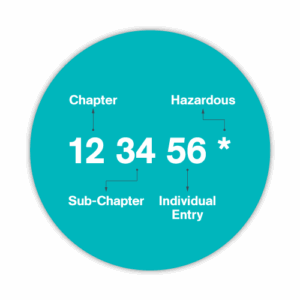 Hazardous Waste Regulations 2005
The Hazardous Waste Regulations 2005 define how wastes that present a risk to human health or the environment must be handled and documented.
Under these regulations, aesthetic clinics must:
- Correctly categorise waste using the appropriate European Waste Catalogue (EWC) codes.
- Segregate hazardous and non-hazardous waste to prevent cross-contamination.
- Complete consignment notes for every collection and ensure copies are stored for inspection.
- Maintain an audit trail for all hazardous waste movements from your clinic to the disposal facility.
Why it matters: Misclassification or missing paperwork are the most common reasons clinics fail compliance inspections. Working with a reliable and compliant waste partner will protect your business from enforcement action and help you demonstrate due diligence during audits.
See the Hazardous Waste Regulations 2005 here.
Control of Substances Hazardous to Health Regulations 2002 (COSHH)
These regulations require employers to assess, control, and monitor exposure to substances that could harm staff or clients. This includes chemicals, medicines, disinfectants, and biological agents found in clinical waste.
Under COSHH, clinics must:
- Carry out risk assessments for all hazardous substances used or generated in treatments.
- Implement control measures to prevent or reduce exposure.
- Provide training and information to staff about safe handling, storage and disposal of hazardous materials.
- Review assessments regularly and update them when procedures, products, or legislation change.
Why it matters: Adhering to COSHH prevents manual handling risks or exposure at the point of waste generation, keeping your staff and your clients protected from harm.
See the COSHH regulations here.
You can also expect some new regulations to be introduced soon…
 What Are the New Aesthetic Clinic Regulations?
The UK government recently (August 2025) announced a landmark update to cosmetic practice regulation that places client protection and professional accountability at the forefront of the aesthetics industry. Why? To bring consistency, safety, and transparency to a rapidly expanding sector.
Under the proposed framework, only appropriately qualified healthcare professionals will be permitted to carry out the highest-risk aesthetic procedures. Additionally, these treatments must be conducted in Care Quality Commission (CQC) registered environments to ensure that clinical processes, infection control protocols, and waste management practices meet the expectations of healthcare-grade standards.
Meanwhile, lower-risk treatments such as Botox, dermal fillers and skin boosters will soon require formal licensing through local authorities. Practitioners will have to evidence suitable training, insurance, and infection prevention measures before they can legally operate.
These steps mark a long overdue move away from the unregulated ‘anyone-can-inject’ model towards a system built on qualification, governance, and accountability. It also serves as a signal that the aesthetic sector is maturing into a recognised branch of healthcare.
With licensing tied to demonstrating safety and hygiene standards, clinical waste compliance becomes a key indicator of quality.
What This Means for Your Cosmetic Practice
#1 Safety and compliance go hand in hand
With licensing tied to demonstrable infection control and governance standards, clinics that use safety-engineered sharps containers, validated decontamination processes, and correct waste segregation are already aligned.
#2 Waste management is a compliance marker
Local authority inspections will look beyond treatment technique to assess how waste is handled, stored, and documented. Using compliant systems, employing the correct methods, and maintaining full audit trails ensure your practice meets both legal and professional standards.
#3 Reputation and readiness matter
As the aesthetics sector becomes more tightly regulated, visible safety standards – from point-of-use sharps containment to secure transport and sustainable disposal – will differentiate credible clinics from those that fall behind.
Common Compliance Mistakes and Prevention Tips
Even the most diligent aesthetic clinicians can fall into non-conformance traps that create big risks. These are the issues we see most often, along with simple ways to prevent them.
Misclassifying Waste
Using the orange infectious waste stream rather than offensive waste without due cause, or disposing of botulinum toxin vials and needles in the purple cytotoxic stream instead of the yellow-lidded sharps stream, are two common examples – and they’re costly.
Prevention Tip: Review your waste policy and the Environment Agency’s waste classification guidance. Regular refresher training and a concise visual chart at the point of treatment can help ensure staff get it right every time.
Sharps Containers Positioned Too Far Away
Locating sharps containers across the room encourages unsafe practices and significantly increases the chance of needlestick injuries.
Prevention Tip: Install point-of-use sharps containers within arm’s reach of every procedure area. This reduces steps, enhances workflow, and is a core part of the Health and Safety (Sharp Instruments in Healthcare) Regulations 2013: ‘Place secure containers and instructions for safe disposal of medical sharps close to the work area’.
Overfilled Sharps Containers
Continuing to use a sharps container once it has reached its fill line creates unnecessary risk of spillage and needlestick injury. It’s best practice to close and replace containers as soon as they’re full to ensure safe handling and secure transport.
Prevention Tip: Incorporate daily room checks and clear staff accountability for container closure and exchange to guarantee containers are always replaced promptly. Combine this with safety-engineered sharps containers featuring automatic overfill prevention and clear fill line indicators, and you’re off to the races!
Incomplete or Missing Documentation
Without a clear audit trail, even compliant waste handling can fail an inspection.
Prevention Tip: Keep all Waste Transfer Notes (WTNs) for two years, and Hazardous Waste Consignment Notes (HWCNs) for three years in a single, clearly labelled ‘audit-ready’ digital or physical folder. If you build this into a monthly governance routine, your records will always be ready and available, even at short notice.
Unverified Waste Carrier Credentials
“That’s alright, I know a man with a van who can get rid of that for you.” is quite possibly the worst phrase you can hear when it comes to your waste management. If your carrier or disposal partner isn’t properly licensed, the legal responsibility still falls on your clinic.
Prevention Tip: Verify your provider’s registration on the Environment Agency’s public register and save a screenshot of their license, along with your latest documentation. Recheck annually or whenever contracts change to ensure continued compliance.
Key Takeaways
- Aesthetic waste compliance isn’t optional – it’s a professional obligation under UK law.
- Correct colour-coded waste segregation reduces risk, cost, and carbon footprint.
- Safety-engineered sharps containers prevent injuries and simplify compliance.
- Audit-ready documentation protects your business and reputation.
- A trusted waste partner helps you focus on care and client experience, not compliance paperwork.
 Achieve Effortless Waste Compliance with Sharpsmart
Sharpsmart partners with aesthetic and cosmetic clinics across the UK, delivering compliant, elegant and sustainable clinical waste disposal solutions that align with the unique pressures of the aesthetics sector – compact spaces, tight schedules, and high client expectations.
Our ISO 23907-2 compliant reusable sharps containment systems, clinical waste services, and education resources are designed to minimise disposal-related needlestick injuries, ensure audit-ready compliance, and create a workspace that reflects your brand.
Contact us today to learn more about how we support aesthetic and cosmetic clinics and how we can help you create a safer and more compliant waste management system for your clinic, without sacrificing patient experience.

Josh Glover
Let's Talk!
Your time is valuable, and we don’t want to play hard to get. You can either phone us directly on the details listed on our contact page, or feel free to fill out this short form and one of our team members will get back to you as quickly as possible.