Reducing over 50 tonnes of sharps container waste

This case study explores the outcomes of a sustainability assessment of Sharpsmart reusable containers at University Hospitals Coventry & Warwickshire NHS Trust (UHCW). The analysis by Sustainability West Midlands (SWM) considered the environmental, economic and social implications of the reusable containers.
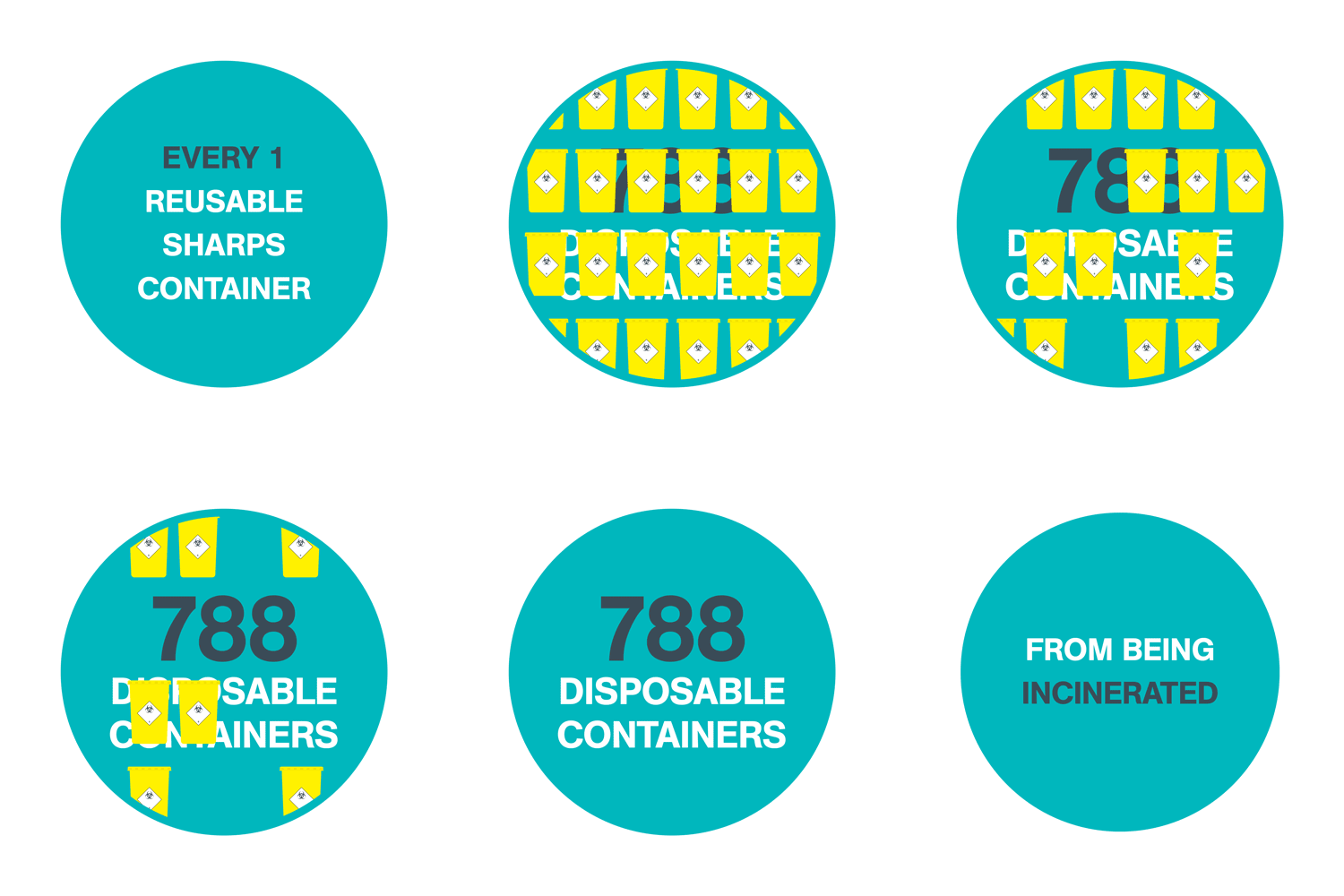
Prior to adopting a reusable containment system, the Trust had used sharps containers that were disposed of after each use, generating a lot of uncessesary paper and plastic waste. The Trust sought an alternative that could be washed and reused, reducing waste while potentially saving money and carbon emissions.

The life cycle assessment projected over a ten-year period that the containers will reduce CO₂e by 2,053 tonnes, equating to a 92% reduction when compared to single-use bins. There has been an economic saving of around £20,000 per annum as a result of introducing the containers. Before the introduction of the new bins there were an average of 3.2 injuries per quarter associated with disposal of sharps into the sharps containers. After introduction, this figure dropped to an average of 1 per quarter.

Neil Robinson
Let's Talk!
Your time is valuable, and we don’t want to play hard to get. You can either phone us directly on the details listed on our contact page, or feel free to fill out this short form and one of our team members will get back to you as quickly as possible.